Lab-GrownDiamond Certification
Expert certification ensuring clarity on quality, true origin, and growth methodology for the modern, ethical market.
Types of Lab-Grown Diamonds
igjlab provides sophisticated certification specifically tailored for lab-grown diamonds. We don't merely grade — we forensically identify each stone's explicit growth process.
HPHT
High Pressure, High Temperature
Replicates the extreme pressure and heat of the Earth's mantle where natural diamonds form.
- May produce a subtle yellowish tint from trace nitrogen
- Used for both gem-quality stones and industrial applications
- May exhibit metallic flux inclusions — meticulously documented by igjlab
CVD
Chemical Vapor Deposition
Diamonds grown layer by layer via carbon-rich plasma gas inside a specialized vacuum chamber.
- Frequently produces exceptionally colorless (Type IIa) stones
- Sometimes requires post-growth treatments to improve color
- Distinct striae detectable only through advanced igjlab spectroscopy
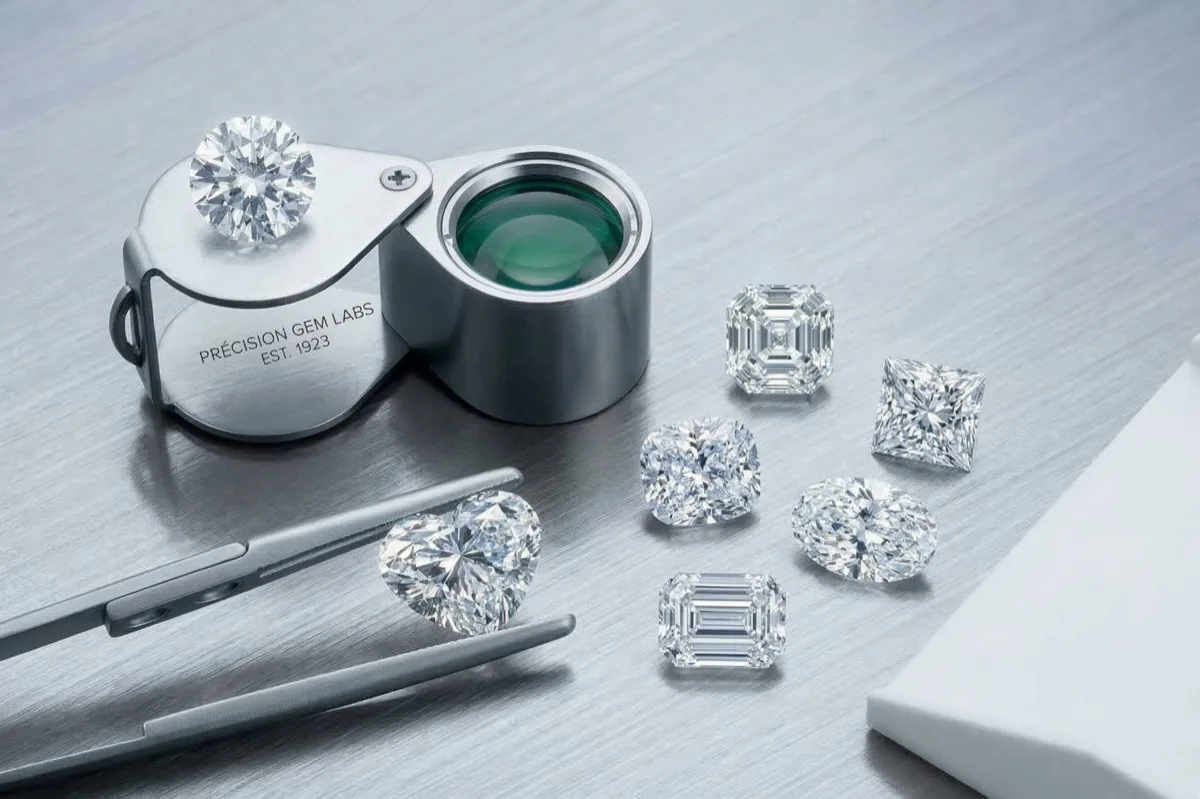
Comprehensive Lab-Grown Assessment
Why Lab-Grown Certification Matters
An igjlab report verifies a diamond's technological origin and growth type, ensuring ethical jewelers and conscious consumers receive exactly what they expect.
FTC Compliant
Our reports comply fully with FTC guidelines and international gemological nomenclature standards.
Ethical Market
Helps ethical sellers and conscious consumers transact with complete transparency and confidence.
Scientific Clarity
Advanced spectroscopy distinguishes lab-grown origins that the human eye simply cannot detect.